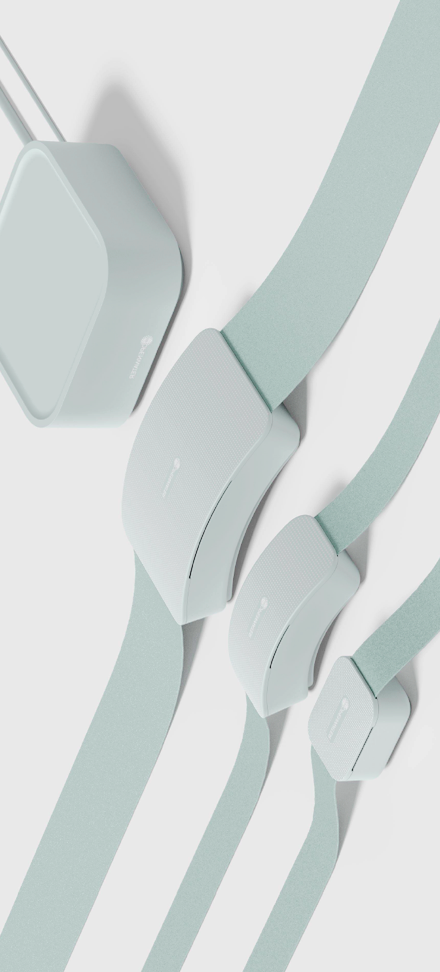
The Silicon Hospital.
Medicine is becoming programmable.
Hard physics. Open source.
In clinical trials now.
The Bet
Ten years ago Openwater was founded betting that semiconductor manufacturing advances could enable an entirely new breed of medical devices — manipulating light, sound, and electromagnetics in the body in ways never before possible.
The Goal
Something the size and cost of a smartphone that could treat hundreds of diseases — cancers, stroke, mental illness, autoimmune conditions, and even enable BCI and beyond.
The Work
Ten years. Hundreds of prototypes. Testing on phantom tissue, small animals, then people — inventing, refining and architecting toward what the semiconductor supply chain could make at scale.
The Breakthrough
We're now there. Low-cost, pan-disease hardware made on high volume manufacturing lines and a software and AI platform that turns every device into a node in what may become the largest physiological data network ever built.
News and Insights
Open-LIFU Device Supports Concierge Mental Health Research with TIESA
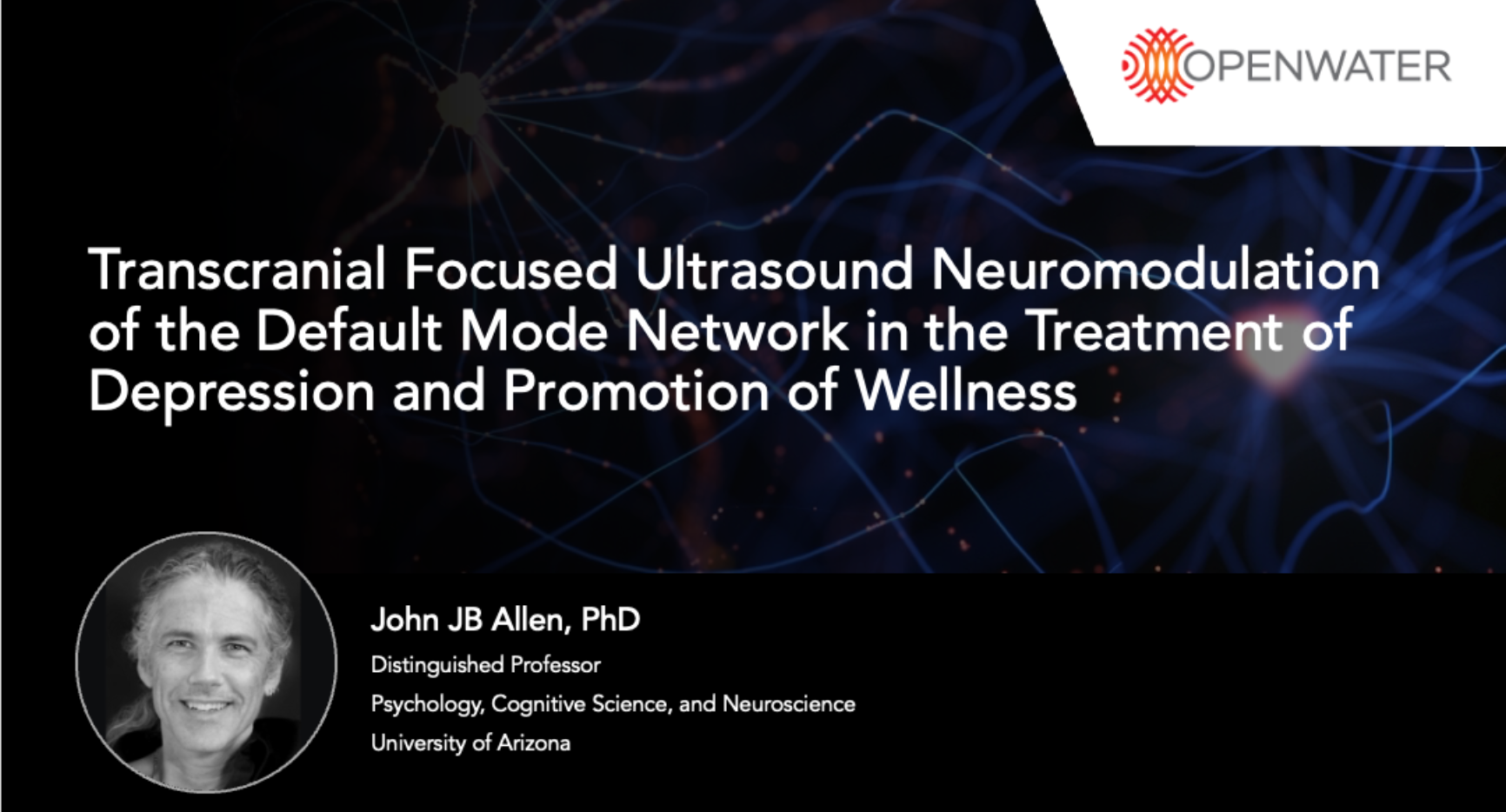
TIESA will use Open-LIFU in AI-guided, noninvasive research on neuromodulation for mental health conditions.
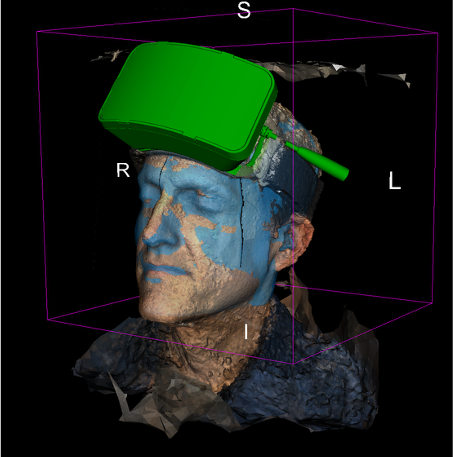
Modular Medicine: The Case For Wearable, Steerable Ultrasound Devices
For nearly a century, ultrasound has helped doctors see inside the body, tracking pregnancies, finding tumors and guiding biopsies. Its next act may prove even more consequential: treating disease.

Rethinking Real-Time Blood Flow As Medicine’s Next Vital Sign
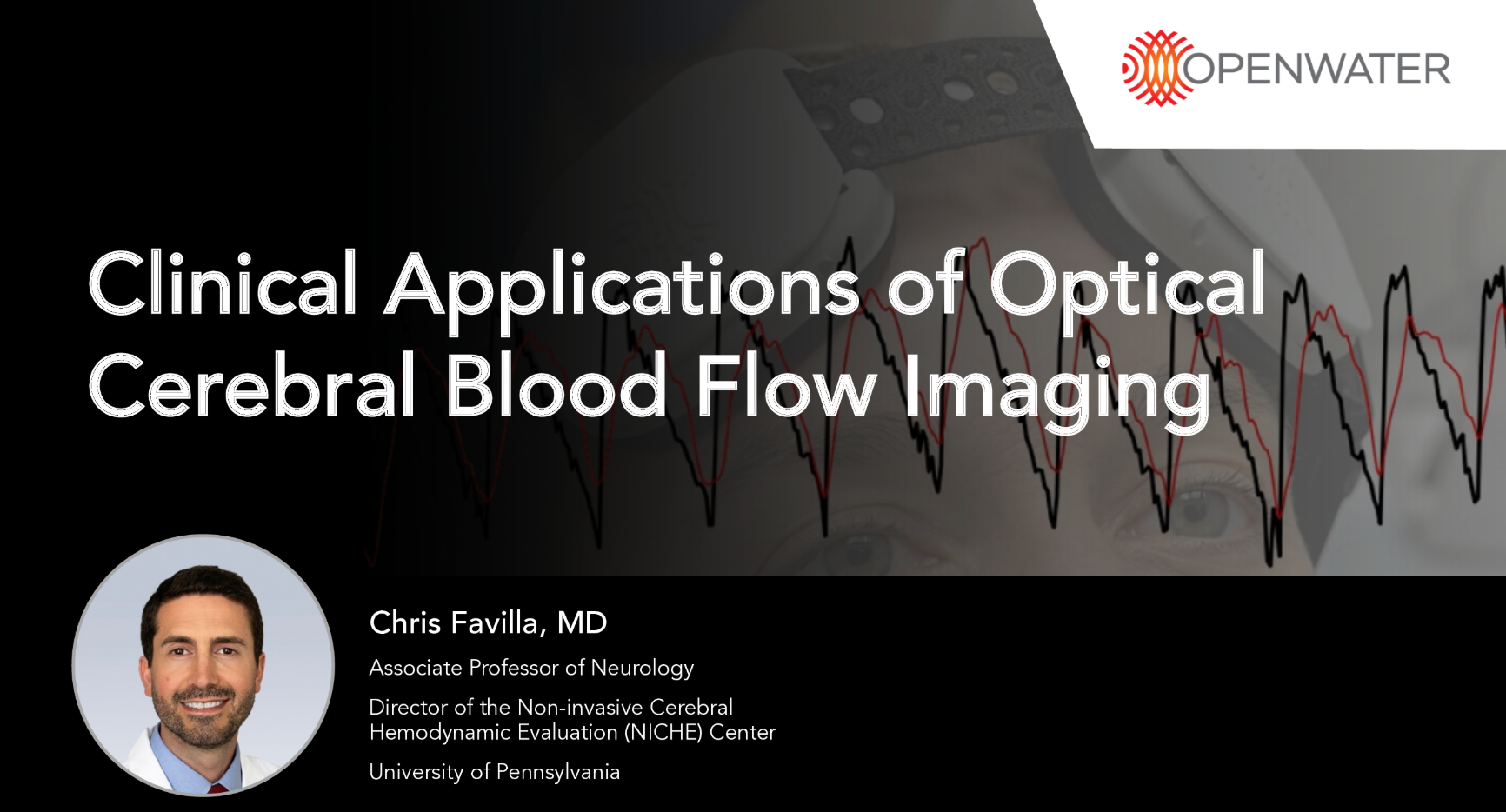
Just four vital signs make up the traditional core of clinical diagnosis: heart rate, blood pressure, respiratory rate and temperature. For decades, and in some cases, hundreds of years, these metrics have remained largely unchanged while technology and medical innovation have advanced rapidly.